EV Charger Installation in Spokane, WA
A dedicated charger makes at-home charging more convenient and ready for daily use.
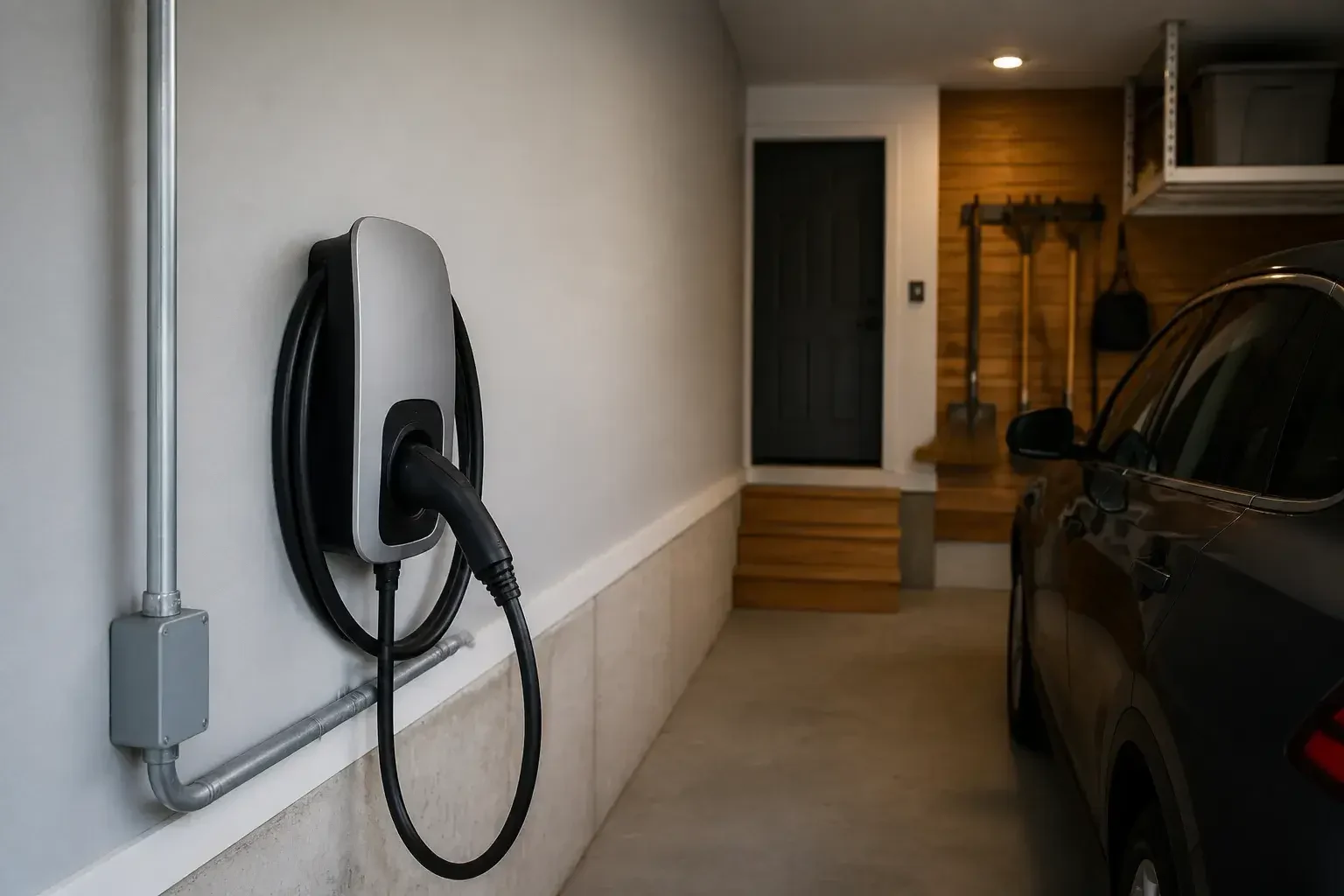
If your EV is parked in the driveway but you are still relying on a standard outlet, charging can feel slower and less convenient than it should. You may notice the car is not ready when you need it, the cord does not reach cleanly, or the outlet seems to run hotter than you want it to.
A dedicated charger changes that routine. Northgate Electric helps homeowners choose and install EV charging setups that fit the home, the vehicle, and the electrical panel so charging becomes part of the day instead of a daily hassle.
What home charging solves
A proper home charger is about more than convenience. It gives you a dependable place to plug in, reduces the need to hunt for public charging, and makes overnight charging practical.
If your current setup is falling short, these are common signs:
- Slow charging: Your vehicle is not gaining enough range overnight, especially when you need it for the next morning.
- Shared outlets: The only available outlet is already used for another appliance or is located somewhere awkward.
- Breaker concerns: The circuit trips when you try to charge, or you notice other lights or appliances acting up at the same time.
- Cord problems: The charging cable stretches across a walkway, which is inconvenient and can create a safety issue.
- Panel uncertainty: You want a charger, but you are not sure the electrical panel has enough room or capacity.
A dedicated charger can solve these issues by giving the vehicle its own planned electrical load instead of asking an old outlet to do too much.
Charger options
Not every home needs the same charging setup. The right choice depends on how far you drive, how quickly you want the battery replenished, and what the home can support.
Level 1 charging
This uses a standard outlet and can work for light driving habits, but it is usually the slowest option. Many homeowners find it useful only when daily mileage is low or when they can leave the car plugged in for a long stretch.
Level 2 charging
This is the common home upgrade for EV owners who want faster charging and a more convenient routine. It typically requires a dedicated circuit and a carefully planned installation location.
Location planning
The charger should be placed where the cable reaches the vehicle cleanly and where daily use feels natural. We look at parking position, wall space, and the route from the panel so the setup is practical, not awkward.
How we install
Northgate Electric keeps the process straightforward and focused on the home’s electrical layout. We start by understanding the charger you want and where it needs to live, then we plan the electrical work around the panel and the charging load.
- Review the home setup: We look at the panel, available space, and the likely path for the new circuit.
- Plan the circuit: We determine how the charger will connect and what kind of dedicated wiring it needs.
- Install the charger: We place the equipment where it is most useful and connect it to the new circuit.
- Test the setup: We verify that the charger operates properly and that the installation is ready for daily use.
This approach helps avoid guesswork and keeps the installation aligned with the home’s actual electrical capacity.
Panel capacity check
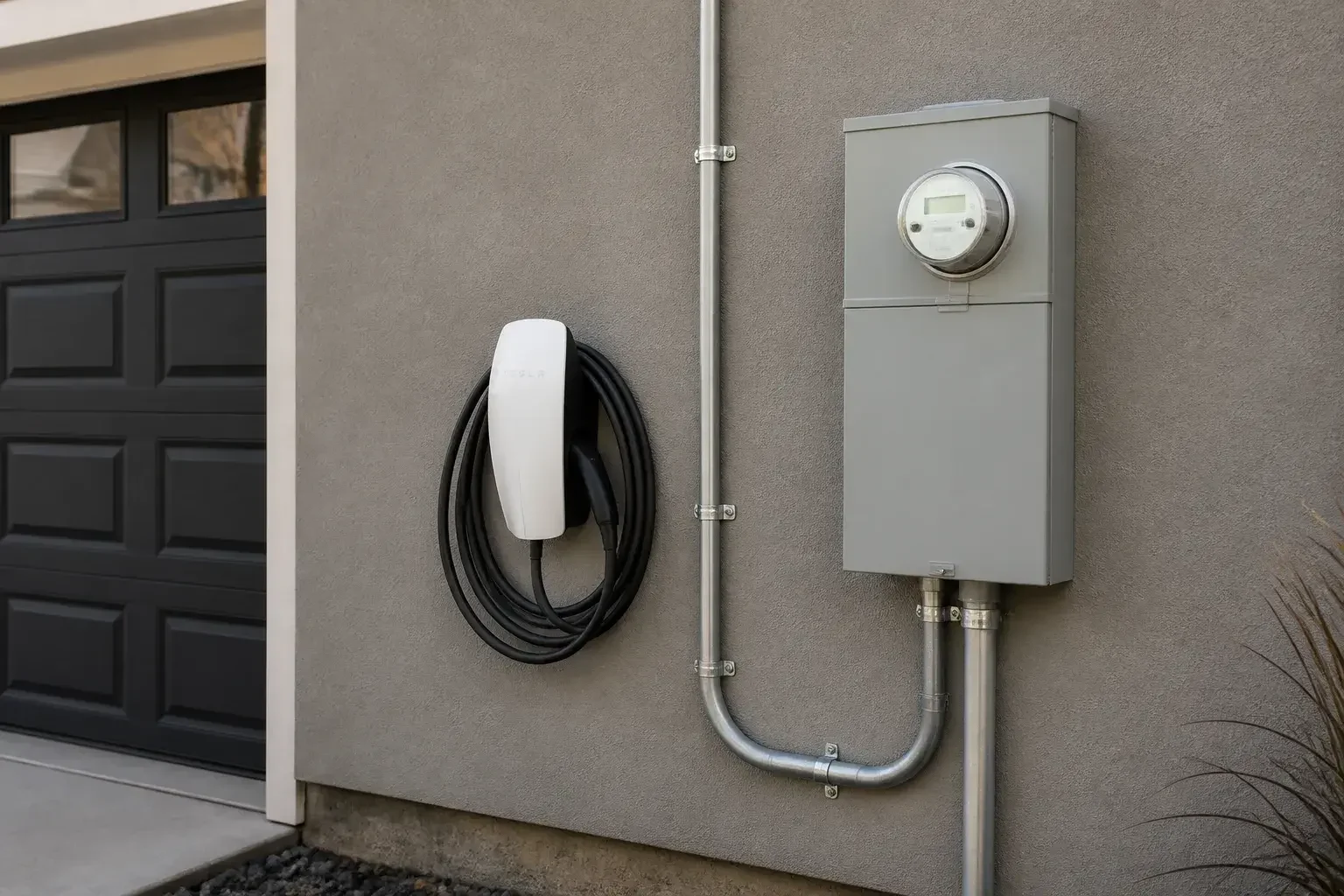
Many charging projects begin with a simple question: can the electrical panel support the charger you want? That answer depends on what else is already running in the house and how much room the panel has for a new dedicated circuit.
Signs a panel review is smart
- Limited breaker space: The panel may not have an obvious open slot for the new circuit.
- Heavy electrical use: Homes with multiple high-demand appliances may need a careful load review before adding charging.
- Older planning: A panel that was built for lighter household use may not be ready for an EV charger without changes.
- Future goals: If you may add another load later, it helps to plan the installation with that in mind now.
If the panel needs an upgrade to support the charger, we can handle that as part of the project so the charging setup is not squeezed into an undersized system.
Placement matters
The best charger location is not just about where the vehicle parks. It also affects how easy the charger is to use, how clean the cable run looks, and how much strain is put on the electrical system.
A good location usually does a few things well:
- Reaches easily: The cable should connect without crossing a walkway or being pulled tight.
- Fits the routine: Daily charging should feel natural, not like a workaround.
- Keeps wiring tidy: A sensible route from the panel reduces clutter and makes the installation cleaner.
- Supports the vehicle: The charger should line up with where the car actually sits, not where it might sit occasionally.
When the charger is placed with these details in mind, homeowners tend to use it more consistently because it is easier to live with.
What can get in the way
A home charging project can run into a few issues that are worth addressing before installation starts. Knowing them early helps prevent delays and mismatched equipment.
Common obstacles
- Undersized wiring: Existing wiring may not be suitable for the load a charger needs.
- Panel limitations: The breaker panel may not have the room or capacity for a straightforward add-on.
- Poor charger location: The most convenient wall may not be the best electrical path, so planning matters.
- Mismatch between charger and vehicle: The charger should fit the car’s charging needs, not just the most convenient package.
Northgate Electric helps Spokane homeowners work through these choices so the final installation is both usable and sensible.
Why homeowners call us
Home charging should feel simple once it is installed, and that starts with getting the electrical side right. We focus on the practical details that matter every day: where the charger goes, how it ties into the panel, and whether the home is ready for the added load.
Northgate Electric also serves nearby homes in Spokane Valley, Liberty Lake, and Cheney, so the work is not limited to one part of the area. Whether the goal is a first charger or a better setup for a new vehicle, we help homeowners move from slow, inconvenient charging to a dedicated solution that fits the house.
The result is a setup that makes more sense for the way you actually drive and park.
Common questions
Do I need a dedicated circuit for a home EV charger?
Yes, most home charging setups require a dedicated circuit so the charger has its own planned electrical path and does not compete with other loads.
Can the charger be installed in a garage or outside?
Many chargers can be placed in either location, but the best choice depends on where you park, how the cable will reach, and how the wiring can be routed.
What if my panel looks full?
A full-looking panel does not always rule out a charger, but it does mean the electrical layout needs to be reviewed carefully before the installation begins.
Will the charger work with my vehicle right away?
The charger must match the vehicle’s charging setup, so we look at the home equipment and the car’s needs before installation.
How do I know where the charger should go?
The right spot is usually where the cable reaches naturally, the parking position makes sense, and the electrical route stays straightforward.
Is this something a homeowner should try to set up alone?
A charging circuit affects the home’s electrical panel and load, so it is smart to have the installation planned and completed by a qualified electrician.
Start the project
If your EV is ready for a better charging routine, Northgate Electric can help you set up a home charger that fits your space and your electrical system. We work with Spokane homeowners who want charging that is easier to use, cleaner to live with, and better matched to the way they drive.
From panel capacity questions to the final charger placement, the goal is a practical installation that makes home charging feel effortless.
How We Work
A Clear Electrical Process
Every project starts with a look at the problem and a conversation about the best path forward.
Review the Issue
We look at the panel, wiring, fixture, or charger location to understand the project.
Explain the Plan
You get a straightforward explanation of what needs to happen and why.
Complete the Work
We handle the job carefully and leave your space in good shape.
FAQ
Common Electrical Questions
If you have a question about your home’s electrical system, send us a message and we will help you sort through it.
How do I know if I need a panel upgrade?
If your panel struggles to keep up, trips often, or no longer fits your home’s needs, an upgrade may be the right move. We can help you review the setup and options.
Can you install an EV charger at my home?
Yes, we can help with home EV charger installation. We look at the electrical setup and the best location before starting the work.
What kinds of electrical repairs do you handle?
We handle common residential repairs like outlets, switches, fixtures, and wiring issues. If something in your home is acting up, we can take a look.
When does whole-home rewiring make sense?
Whole-home rewiring is often worth considering when old wiring keeps causing problems or no longer supports the home well. It can be the better long-term fix for older systems.
Do you help with lighting projects too?
Yes, lighting installation is one of our core services. We can help improve how a room looks, feels, and functions.
Get started
Ready for Electrical Help?
Tell us what is happening in your home, and we will help you plan the right next step for repairs, upgrades, lighting, or rewiring.
(509) 555-0142